The Education Quality and Accountability Office (EQAO) is pleased to announce that Chris Day has been appointed as Chair of the EQAO Board of Directors, effective August 29, 2026.
Having been an active member of governance boards in the private and public sectors, Chris most recently served for seven years at the helm of TVO, leading it through a period of fundamental transformation. Chris arrives at EQAO at a time when an expert advisory body is undertaking a comprehensive review of student achievement and assessment across the province, with a focus on improving results in reading, writing and math. The review will result in recommendations for the Ministry of Education and require EQAO’s support.
EQAO’s work is overseen by its board of directors, whose members are appointed by the Lieutenant Governor in Council and are drawn from leadership positions in diverse fields of expertise, such as education, business and policy.
Chris is the Senior Vice President of Burson in Ottawa. His decades of leadership experience in the private, public and not-for-profit sectors includes executive work in health care and municipal affairs. He also founded, led and grew a successful consultancy firm from 2016 to 2025. His extensive community involvement includes serving as Chair of Operation Come Home and organizations such as Exporail. You can find more information about Chris’s professional journey and our board of directors on our website.
EQAO would like to thank Sanjay Dhebar for his role as Chair of EQAO’s board of directors from 2024 until earlier this year. Sanjay’s commitment to education and student assessment proved valuable to the agency’s work. EQAO’s board of directors and staff wish Sanjay the very best in his future endeavours.
Quotes
“EQAO has a long history of providing valuable data to empower parents and guardians, educators and policy-makers in support of positive student outcomes, and it is my privilege to join the agency as Chair. I look forward to working with the rest of the board in this new position as well as with our partners, as we continue to provide crucial data and helpful resources that inform the education system at every level, all in support of students across the province.”
“We find ourselves fortunate to have as our new chair Chris Day. As EQAO moves forward and continues to build on its award-winning assessment program and research initiatives to provide important evidence-based data to all our partners, Chris’s experience leading the governance of public organizations will be an asset to the agency.”
The Education Quality and Accountability Office (EQAO) is a board-governed agency of the Government of Ontario dedicated to enhancing the quality and effectiveness of the province’s public education system. Our award-winning large-scale assessment program and research initiatives offer accurate, relevant data and insights on student achievement and attitudes. At EQAO, our belief is that learning never ends—and so neither does our mission to contribute to improving outcomes for all students across Ontario.
The eAA Awards’ Excellence in Accessibility (A11Y) category recognizes digital assessment projects, institutions or initiatives that make accessibility and inclusivity a core part of the learner experience. Our award-winning project, titled “Accessibility by Design: Transforming EQAO’s Provincial Assessments,” earned recognition for the work EQAO has done to move Ontario’s provincial assessments online, with accessibility built in from the start while maintaining the fairness and integrity of its large-scale assessments.
The CIEA Educational Assessment Outcomes Award recognizes assessment projects or approaches that use assessment evidence to support meaningful improvements in teaching and learning. Combining professional learning for teachers with classroom activity engagement, our award-winning project in collaboration with the UCDSB, titled “No Rush Zone: How EQAO and the Upper Canada District School Board Supported Student Confidence in Online Math Assessments,” focused on helping students feel more prepared, confident and comfortable when completing Ontario’s online mathematics assessments.
These recognitions reflect EQAO’s continued focus on accessibility, inclusion and supporting student learning through modern assessments. By integrating inclusive design, evidence-based practices and meaningful assessment data, EQAO aims to ensure its assessments are accessible to all students while providing partners with insights to support learners better.
We are proud to be recognized alongside peers who are advancing assessment practices globally. Thank you to the Upper Canada District School Board for its partnership and collaboration on this initiative, as well as to the EQAO team and Ontario’s educators for their ongoing commitment to supporting student learning and improving student outcomes.
The eAA Awards’ Best Research category recognizes best practices in research as well as the impact on the stakeholder community. Our award-winning research project titled “Leveraging Distractor Analysis in Large-Scale e-Assessment to Develop Instructional Supports for Improving Student Mathematics Achievement” showcases how data-driven insights can directly enhance teaching strategies and support student success.
This study explores how distractor analysis from e-assessment data can be used to support mathematics instruction by identifying why students choose incorrect answers, and what that reveals about their misconceptions. Findings such as these lead to the development of instructional resources that are used by educators in schools to support their students better.
Additionally, EQAO was a finalist in the categories of
Professional Certification Programme of the Year for our entry “Enhancing Teacher Excellence: Mathematics Proficiency Test’s Innovative Approach to Professional Certification in Ontario”.
Best Transformational Project for our entry “Mathematics Proficiency Test: Secure, Accessible and Flexible Testing for Future Educators in Ontario”.
These prestigious recognitions acknowledge the agency’s ongoing commitment to developing an assessment program that is learner-centred, technologically advanced, inclusive and accessible to all.
Thanks to our EQAO team and our partners Vretta Inc. and Conestoga College for their collective hard work, innovative vision and dedication to creating online tests that offer the best possible user experience and reliable data. We also thank Ontario’s educators for their continued support along with their deep commitment to improving student outcomes.
Mathematics Achievement Sees Some Growth over Time but Remains an Area of Concern; Literacy Achievement Strong and Stable by Grade 6 and into Secondary School
Consistent gaps in achievement for students with special education needs warrant further attention
News
The Education Quality and Accountability Office (EQAO) has released provincial, school- and board-level data from its 2024–2025 online provincial assessments. EQAO data provide an independent snapshot that shows whether students are meeting curriculum expectations in reading, writing and mathematics at key stages of their education. The results also provide additional insights into students’ attitudes and perceptions related to their learning.
More than 574 000 students across the province completed EQAO assessments at the elementary and secondary levels of the English- and French- language school systems during the 2024–2025 school year. EQAO is reporting on achievement results as well as data from student questionnaires. This provides contextual and attitudinal information about student learning to build a fuller picture of learners’ contexts and the factors that influence achievement.
The number of students meeting the provincial standard in mathematics has increased over time, but mathematics remains an area of concern. In addition, many more students across Ontario are close to meeting the standard. Several English- and French-language school boards across Ontario saw significant and encouraging gains in students’ mathematics achievement in 2024–2025.
The disparity in achievement between groups of interest— such as students identified with special education needs and those without such identification—persists, highlighting the importance of continued research on and analysis of effective strategies to support identified students better.
Additionally, this year, EQAO is reporting on the achievement results of the cohorts of students who took the assessments during the 2021–2022 school year in a prior grade and again during the 2024–2025 school year in their current grade. Cohort tracking both helps the education community understand student learning trends as these students progress through the grades and also informs appropriate actions for improvement. By fostering informed discussions among parents and guardians, educators and other school staff, cohort tracking data help shape strategies to meet diverse learning needs effectively.
EQAO is reporting assessment data on its website through a search function along with interactive dashboards that educators, parents and guardians and the public can access to view assessment and questionnaire data at the provincial and local levels.
EQAO’s credible and impartial data can be analyzed by educators across the province as they review and develop plans to support each student’s learning journey. By making contextual, attitudinal and achievement data for each school and school board available, the agency contributes to the accountability of Ontario’s education system and to the ongoing conversation about student learning and achievement.
Assessment Data and Observations
Assessment results from the previous two school years are provided along with those from 2024–2025 to show trends in achievement and attitudes from year to year. Such analyses of results contribute to an enhanced understanding of student learning over time.
Students in English-Language Schools
Assessments of Reading, Writing and Mathematics, Primary and Junior Divisions
The Assessments of Reading, Writing and Mathematics, Primary Division (Grade 3) and Junior Division (Grade 6), are computer-based assessments that measure the reading, writing and mathematics knowledge and skills students are expected to have learned by the end of Grades 3 and 6 according to The Ontario Curriculum.
« 1 Le nom de chaque test reste en anglais, car les tests en anglais et en français sont distincts par leur contenu et les programmes-cadres qu’ils couvrent. »
Primary Division (Grade 3)
According to the data from 2024–2025, Grade 3 student achievement results, which are given in relation to the provincial standard (Levels 3 and 4), have increased in reading, writing and mathematics, relative to those from 2023–2024. The three-year trend shows that the percentage of students meeting the provincial standard has increased in reading and in mathematics and has remained the same in writing.
Percentage of Grade 3 students who met the provincial standard:
74% of Grade 3 students met the provincial standard in reading in 2024–2025 (71% met the standard in 2023–2024, and 73% met the standard in 2022–2023).
65% of Grade 3 students met the provincial standard in writing in 2024–2025 (64% met the standard in 2023–2024, and 65% met the standard in 2022–2023).
64% of Grade 3 students met the provincial standard in mathematics in 2024–2025 (61% met the standard in 2023– 2024, and 60% met the standard in 2022–2023).
Learners’ Context:
71% of Grade 3 students indicated that they like to read, and 74% that they think they are a good reader.
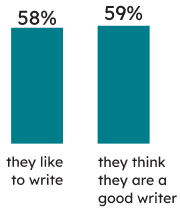
56% of Grade 3 students indicated that they like to write, and 59% that they think they are a good writer.
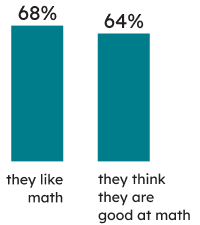
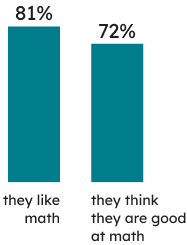
67% of Grade 3 students indicated that they like math, and 64% that they think they are good at math.
According to the data from 2024–2025, Grade 6 student achievement results, which are given in relation to the provincial standard (Levels 3 and 4), have increased in reading, in writing and in mathematics, relative to those from 2023–2024. The three-year trend shows an increase in the percentage of students meeting the provincial standard in reading, in writing and in mathematics.
Percentage of Grade 6 students who met the provincial standard:
86% of Grade 6 students met the provincial standard in reading in 2024–2025 (82% met the standard in 2023–2024, and 84% met the standard in 2022–2023).
85% of Grade 6 students met the provincial standard in writing in 2024–2025 (80% met the standard in 2023–2024, and 84% met the standard in 2022–2023).
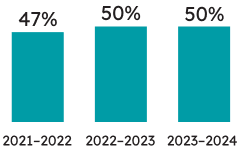
51% of Grade 6 students met the provincial standard in mathematics in 2024–2025 (50% met the standard in 2023–2024, and the same percentage met the standard in 2022–2023).
Learners’ Context:
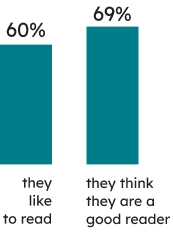
61% of Grade 6 students indicated that they like to read, and 70% that they think they are a good reader.
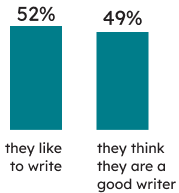
52% of Grade 6 students indicated that they like to write, and 50% that they think they are a good writer.
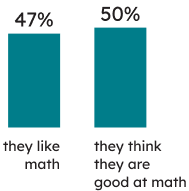
48% of Grade 6 students indicated that they like math, and 50% that they think they are good at math.
The Grade 9 Assessment of Mathematics is a multi-stage computer adaptive assessment that measures the mathematics knowledge and skills students are expected to have learned by the end of the Grade 9 mathematics course according to The Ontario Curriculum.
According to the data from the 2024–2025 EQAO assessments, Grade 9 student achievement results, which are given in relation to the provincial standard (Levels 3 and 4), have increased relative to those in 2023–2024. The three-year trend shows that the percentage of students meeting the provincial standard has increased.
Percentage of students who met the provincial standard in mathematics:
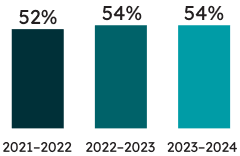
58% of Grade 9 students met the provincial standard in mathematics in 2024–2025 (54% met the standard in 2023–2024, and the same percentage met the standard in 2022–2023).
Learners’ context:
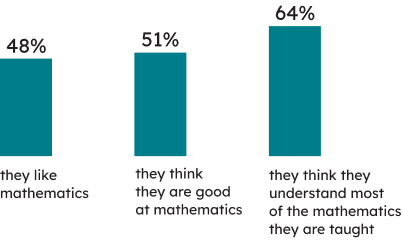
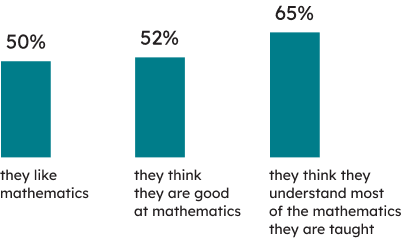
50% of Grade 9 students indicated that they like mathematics, and 51% that they think they are good at mathematics.
64% of Grade 9 students indicated that they think they understand most of the mathematics they are taught.
The OSSLT is a linear test design computer assessment that measures whether students are meeting the minimum standard for literacy across all subjects up to the end of Grade 9 according to The Ontario Curriculum. First-time eligible students typically take the assessment in Grade 10.
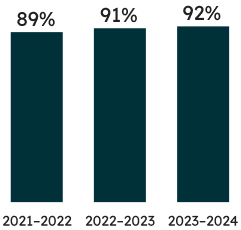
According to the data from 2024–2025, overall success rates on the OSSLT are high, showing stability in students’ acquisition of the literacy knowledge and skills stated in The Ontario Curriculum. The three-year trend shows stability in success rates.
It is encouraging to note that the achievement gap between the success rates of students taking the applied course and those taking the academic course has been steadily narrowing over the past three years, although the achievement gap between academic and applied students remains an area of concern.
Percentage of students who wrote the OSSLT and were successful:
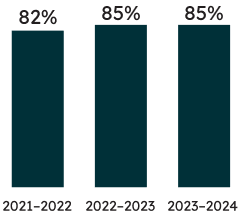
85% of first-time eligible students who wrote the OSSLT were successful in 2024–2025 (85% were successful in 2023–2024, and the same percentage were successful in 2022–2023).
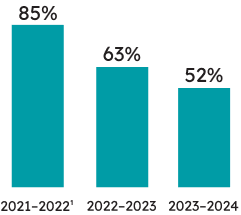
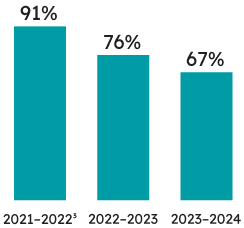
50% of previously eligible students who wrote the OSSLT were successful in 2024–2025 (52% were successful in 2023–2024, and 63% were successful in 2022–2023).
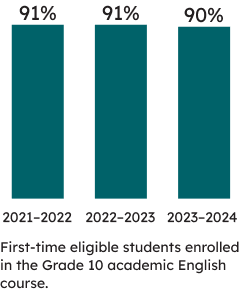
First-time eligible students enrolled in the Grade 10 academic English course:
90% of first-time eligible students enrolled in the academic course were successful in 2024–2025 (90% were successful in 2023–2024, and 91% were successful in 2022–2023).
First-time eligible students enrolled in the Grade 10 applied English course:
60% of first-time eligible students enrolled in the applied course were successful in 2024–2025 (58% were successful in 2023–2024, and 55% were successful in 2022–2023).
Learners’ context:
46% of students who wrote the OSSLT indicated that they read on their own time, 72% indicated that they think they are a good reader, and 76% indicated that they think they can read easily.
36% of students who wrote the OSSLT indicated that they write on their own time, 60% indicated that they think they are a good writer, and 63% indicated that they think they can write easily.
Cohort Tracking Showcases Student Learning Progression and Informs Appropriate Actions for Improvement
EQAO’s large-scale assessments provide consistent data to track student achievement from elementary to secondary school, offering evidence-based insights into performance trends over time.
Tracking student progress in reading, writing and mathematics from Grade 3 in 2021–2022 to Grade 6 in 2024–2025
The information below shows the performance in reading, in writing and in mathematics of the Grade 6 students in the 2024–2025 school year who were in Grade 3 during the 2021–2022 school year. These students took the Assessment of Reading, Writing and Mathematics, primary division, in Grade 3, and junior division, in Grade 6.
Definitions
Maintained Standard: Students who met the provincial standard in Grade 3 and Grade 6
Rose to Standard:Students who did not meet the provincial standard in Grade 3 but met it in Grade 6
Dropped from Standard: Students who met the provincial standard in Grade 3 but did not meet it in Grade 6
Never Met Standard:Students who achieved below the provincial standard in both Grade 3 and Grade 6
Reading
There were 102 515 students in this cohort.
70% (71 252) Maintained Standard
17% (17 593) Rose to Standard
4% (4 509) Dropped from Standard
9% (9 161) Never Met Standard
Writing
There were 102 766 students in this cohort.
62% (63 618) Maintained Standard
24% (24 555) Rose to Standard
4% (3 724) Dropped from Standard
11% (10 869) Never Met Standard
Mathematics
There were 108 540 students in this cohort.
45% (48 999) Maintained Standard
8% (8 317) Rose to Standard
15% (15 828) Dropped from Standard
33% (35 396) Never Met Standard
Tracking student progress in mathematics from Grade 6 in 2021–2022 to Grade 9 in 2024–2025
The information below shows the performance in mathematics of the Grade 9 students in the 2024–2025 school year who took the Grade 9 Assessment of Mathematics, and who completed the mathematics component of the Assessment of Reading, Writing and Mathematics, junior division, when they were in Grade 6 in 2021–2022.
Definitions
Maintained Standard: Students who met the provincial standard in Grade 6 and Grade 9
Rose to Standard:Students who did not meet the provincial standard in Grade 6 but met it in Grade 9
Dropped from Standard: Students who met the provincial standard in Grade 6 but did not meet it in Grade 9
Never Met Standard:Students who achieved below the provincial standard in both Grade 6 and Grade 9
Mathematics
There were 107 050 students in this cohort.
45% (47 756) Maintained Standard
16% (17 559) Rose to Standard
5% (5 648) Dropped from Standard
34% (36 087) Never Met Standard
Students in French-Language Schools
Tests en lecture, écriture et mathématiques, cycles primaire et moyen1
The Test en lecture, écriture et mathématiques, cycle primaire (Grade 3) and cycle moyen (Grade 6), are computer-based assessments that measure the reading, writing and mathematics knowledge and skills students are expected to have learned by the end of Grades 3 and 6 according to The Ontario Curriculum.
The introduction of a new language curriculum in 2023 required a redesign of the reading and writing components of the assessment. Additionally, new trendlines and new baselines were set, and in keeping with large-scale assessment best practices, standard setting in reading and writing was conducted to define levels of achievement.
1The name of each assessment remains in French, since the French and English assessments are distinct in their content and the curricula they cover.
Cycle primaire (Grade 3)
According to the data from 2024–2025, Grade 3 student achievement results, which are given in relation to the provincial standard (Levels 3 and 4), have decreased in reading, have remained the same in writing and have increased in mathematics, relative to those in 2023–2024. The three-year trend shows a decrease in the percentage of students meeting the provincial standard in reading and in writing, and an increase in mathematics.
Percentage of Grade 3 students who met the provincial standard:
75% of Grade 3 students met the provincial standard in reading in 2024–2025 (84% met the standard in 2023–2024, and 82% met the standard in 2022–2023).
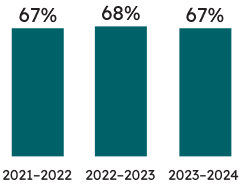
67% of Grade 3 students met the provincial standard in writing in 2024–2025 (67% met the standard in 2023–2024, and 68% met the standard in 2022–2023).
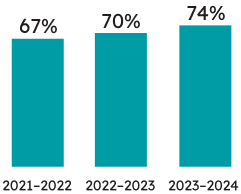
75% of Grade 3 students met the provincial standard in mathematics in 2024–2025 (74% met the standard in 2023–2024, and 70% met the standard in 2022–2023).
Learners’ Context:
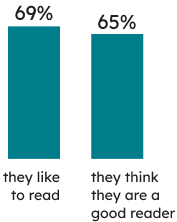
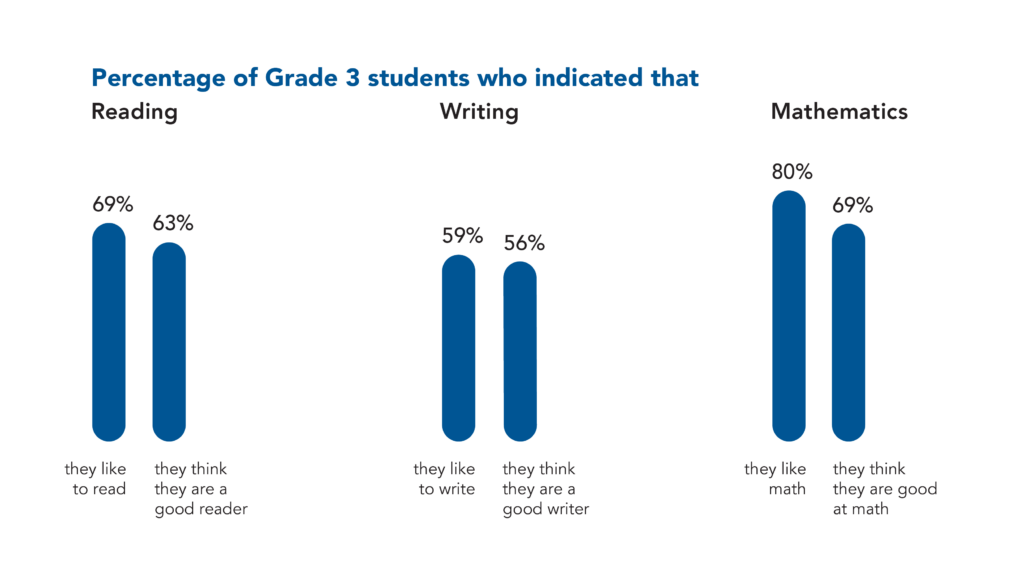
69% of Grade 3 students indicated that they like to read, and 69% that they think they are a good reader.
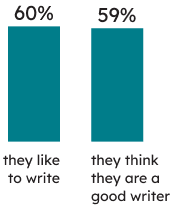
57% of Grade 3 students indicated that they like to write, and 59% that they think they are a good writer.
79% of Grade 3 students indicated that they like math, and 70% that they think they are good at math.
According to the data from 2024–2025, Grade 6 student achievement results, which are given in relation to the provincial standard (Levels 3 and 4), have decreased in reading, have remained the same in writing and have increased in mathematics, relative to those in 2023–2024. The three-year trend shows a decrease in the percentage of students meeting the provincial standard in reading and in writing, and an increase in mathematics.
Percentage of Grade 6 students who met the provincial standard:
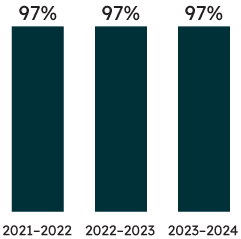
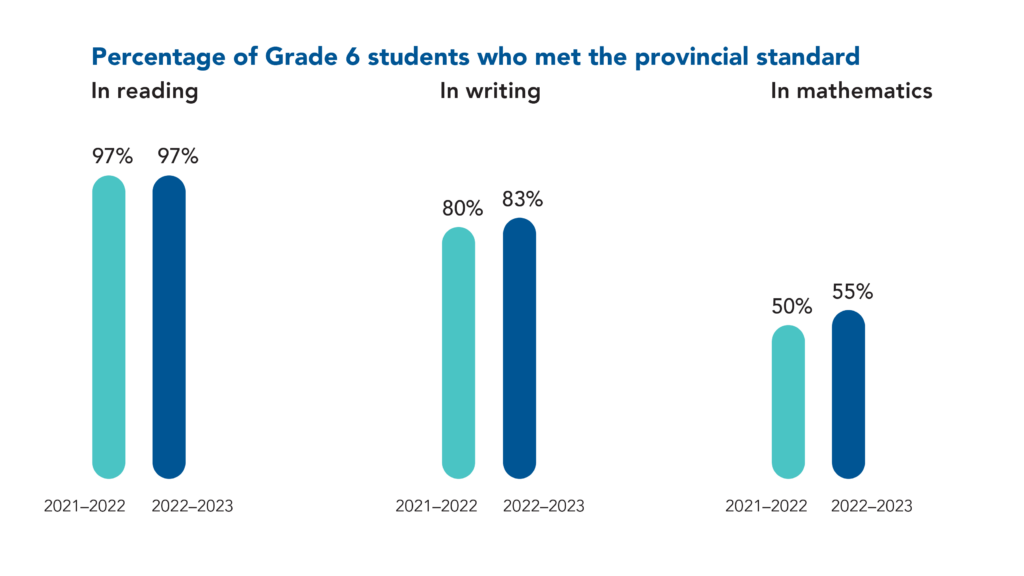
89% of Grade 6 students met the provincial standard in reading in 2024–2025 (97% met the standard in 2023–2024, and the same percentage met the standard in 2022–2023).
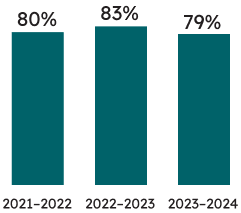
79% of Grade 6 students met the provincial standard in writing in 2024–2025 (79% met the standard in 2023–2024, and 83% met the standard in 2022–2023).
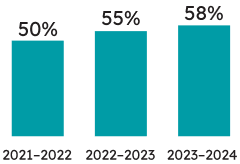
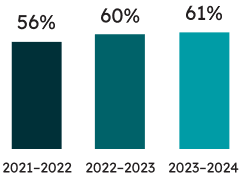
63% of Grade 6 students met the provincial standard in mathematics in 2024–2025 (58% met the standard in 2023–2024, and 55% met the standard in (2022–2023).
Learners’ Context:
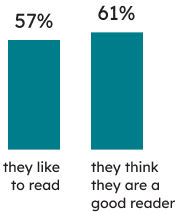
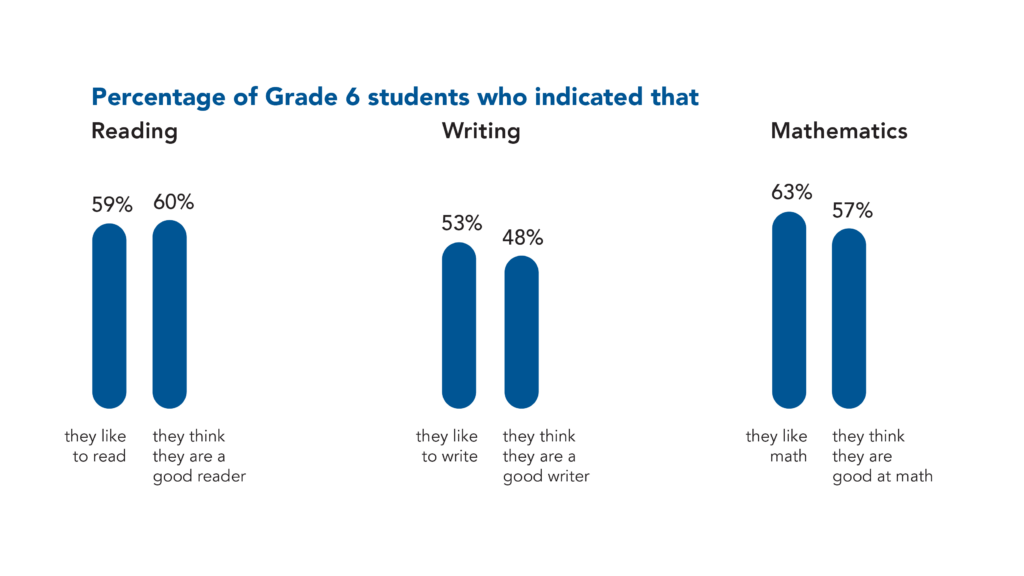
59% of Grade 6 students indicated that they like to read, and 66% that they think they are a good reader.
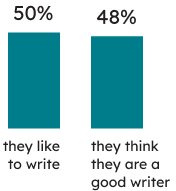
51% of Grade 6 students indicated that they like to write, and 51% that they think they are a good writer.
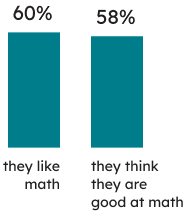
61% of Grade 6 students indicated that they like math, and 58% that they think they are good at math.
The Test de mathématiques, 9e année, is a multi-stage computer adaptive assessment that measures the mathematics knowledge and skills students are expected to have learned by the end of the Grade 9 mathematics course according to The Ontario Curriculum.
According to the data from the 2024–2025 EQAO assessments, Grade 9 student achievement results, which are given in relation to the provincial standard (Levels 3 and 4), have increased relative to those from 2023–2024. The three-year trend shows an increase in the percentage of students meeting the provincial standard.
Percentage of students who met the provincial standard in mathematics:
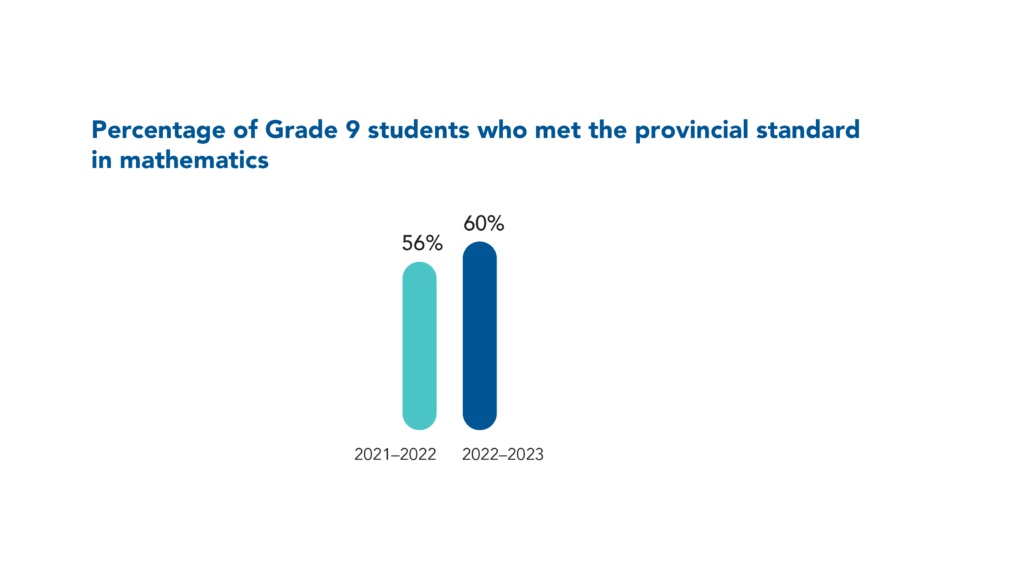
66% of Grade 9 students met the provincial standard in mathematics in 2024– 2025 (61% met the standard in 2023–2024, and 60% met the standard in 2022–2023).
Learners’ Context:
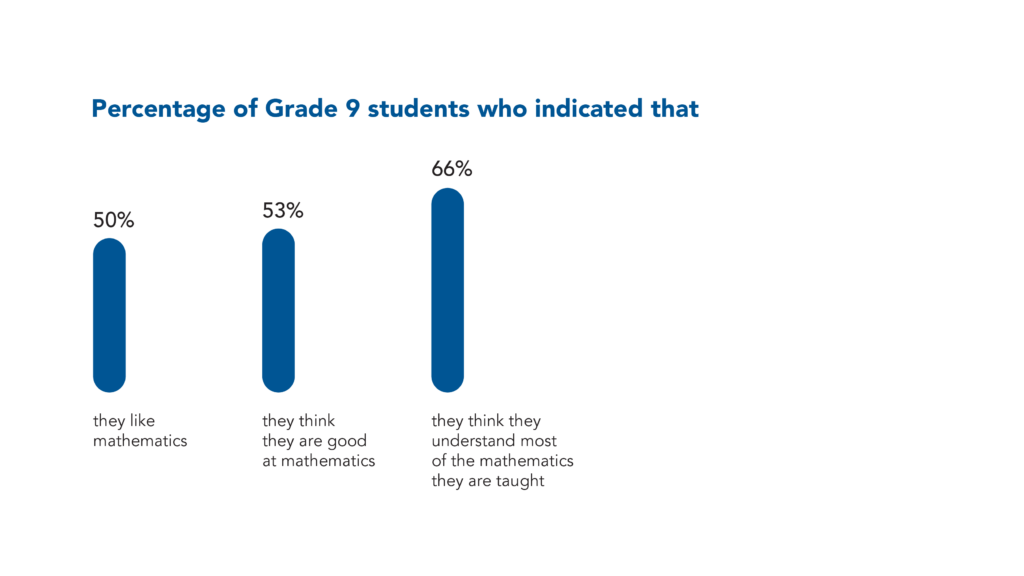
54% of Grade 9 students indicated that they like mathematics, and 52% that they think they are good at mathematics.
66% of Grade 9 students indicated that they think they understand most of the mathematics they are taught.
Test provincial de compétences linguistiques (TPCL)
The TPCL is a linear test design computer assessment that measures whether students are meeting the minimum standard for literacy across all subjects according to The Ontario Curriculum. First-time eligible students typically take the assessment in Grade 10.
According to the data from 2024–2025, overall success rates on the TPCL are high, showing stability in students’ acquisition of the literacy knowledge and skills in The Ontario Curriculum. The three-year trend shows that success rates have increased.
It is encouraging to note that the achievement gap between the success rates of students taking the applied course and those taking the academic course has been steadily narrowing over the past three years, although the achievement gap remains an area of concern.
Percentage of students who wrote the TPCL and were successful:
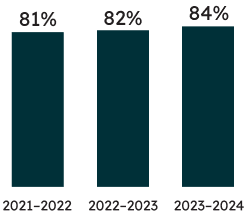
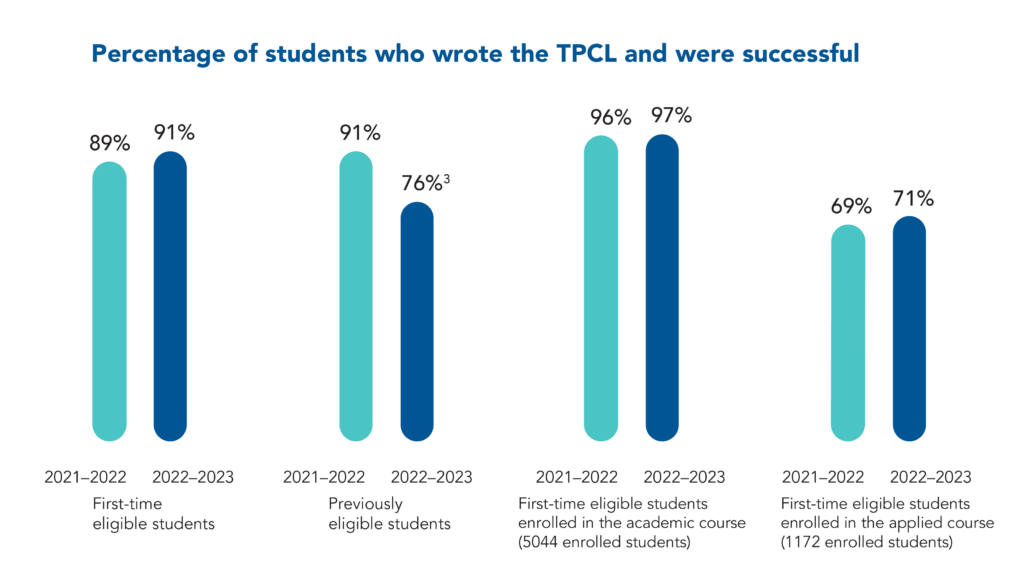
93% of first-time eligible students who wrote the TPCL were successful in 2024–2025 (92% were successful in 2023–2024, and 91% were successful in 2022–2023).
72% of previously eligible students who wrote the TPCL were successful in 2024–2025 (67% were successful in 2023–2024, and 76% were successful in 2022–2023).
First-time eligible students enrolled in the Grade 10 academic French course:
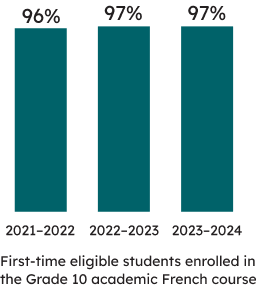
98% of first-time eligible students enrolled in the academic course were successful in 2024–2025 (97% were successful in 2023–2024, and the same percentage were successful in 2022–2023).
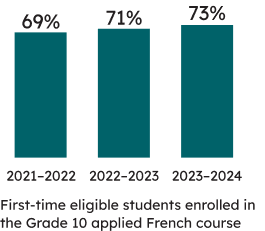
First-time eligible students enrolled in the Grade 10 applied French course:
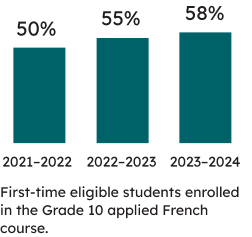
76% of first-time eligible students enrolled in the applied course were successful in 2024–2025 (73% were successful in 2023–2024, and 71% were successful in 2022–2023).
Learners’ Context:
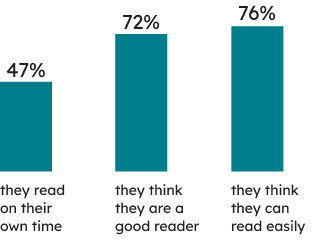
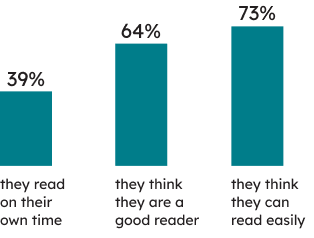
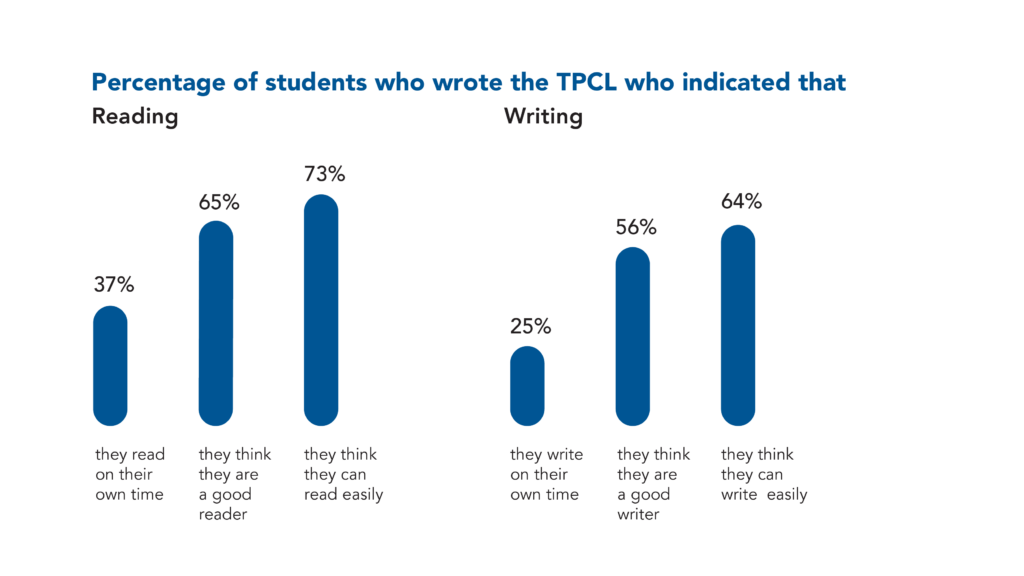
37% of students who wrote the TPCL indicated that they read on their own time, 66% indicated that they think they are a good reader, and 73% indicated that they think they can read easily.
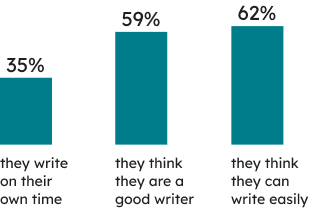
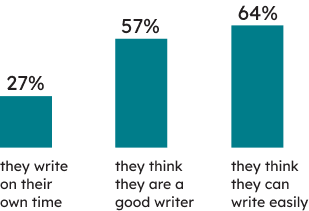
26% of students who wrote the TPCL indicated that they write on their own time, 59% indicated that they think they are a good writer, and 65% indicated that they think they can write easily.
Tracking student progress in reading, writing and mathematics from Grade 3 in 2021–2022 to Grade 6 in 2024–2025
The information below shows the performance of the 2024–2025 school year Grade 6 students who were in Grade 3 for the Test en lecture,écriture et mathématiques, cycle primaire, in 2021–2022.
Definitions
Maintained Standard:Students who met the provincial standard in Grade 3 and Grade 6
Rose to Standard: Students who did not meet the provincial standard in Grade 3 but met it in Grade 6
Dropped from Standard:Students who met the provincial standard in Grade 3 but did not meet it in Grade 6
Never Met Standard:Students who achieved below the provincial standard in both Grade 3 and Grade 6
Reading
There were 7356 students in this cohort.
76% (5622) Maintained Standard
12% (914) Rose to Standard
5% (388) Dropped from Standard
6% (432) Never Met Standard
Writing
There were 7341 students in this cohort.
61% (4474) Maintained Standard
18% (325) Rose to Standard
7% (520) Dropped from Standard
14% (1022) Never Met Standard
Mathematics
There were 7375 students in this cohort.
54% (4005) Maintained Standard
9% (654) Rose to Standard
14% (1004) Dropped from Standard
23% (1712) Never Met Standard
Tracking student progress in mathematics from Grade 6 in 2021–2022 to Grade 9 in 2024–2025
The information below shows the performance in mathematics of the 2024–2025 school year Grade 9 students who took the Test demathématiques, 9e année, and who took the Test en lecture, écriture et mathématiques, cycle moyen, when they were in Grade 6 in 2021–2022.
Definitions
Maintained Standard: Students who met the provincial standard in Grade 6 and Grade 9
Rose to Standard:Students who did not meet the provincial standard in Grade 6 but met it in Grade 9
Dropped from Standard: Students who met the provincial standard in Grade 6 but did not meet it in Grade 9
Never Met Standard:Students who achieved below the provincial standard in both Grade 6 and Grade 9
Mathematics
There were 5995 students in this cohort.
48% (2865) Maintained Standard
20% (1208) Rose to Standard
4% (263) Dropped from Standard
28% (1659) Never Met Standard
Note: Numbers have been rounded off to the nearest whole percentage.
Quotes
“EQAO’s award-winning assessment program offers parents and guardians, educators, policy-makers and other Ontarians evidence-based information on young learners’ educational journey. By administering modernized assessments in schools across the province, the agency is dedicated to contributing to the quality of our education system for those who matter most: Ontario’s students. As an active partner in conversations about student learning through credible information and rigorous research, EQAO is Ontario’s partner in progress.”
Sanjay Dhebar,
Chair, EQAO
“EQAO’s large-scale assessments offer Ontarians valuable information on how students are doing in school, and how they experience their own learning. By assessing students’ mathematics and literacy skills using reliable online tests, it is possible to pinpoint areas of growth or areas that demand attention. This year, along with continuing to offer achievement trends over three years, EQAO is releasing data showcasing the results of specific cohorts of students who participated in EQAO assessments earlier on their learning journey, providing insight into students’ academic trajectory. EQAO’s data show that there is an upward trend in mathematics achievement at the elementary- and secondary-school levels; however, Grade 6 mathematics in English-language schools remains an area of concern. Overall, reading achievement results are higher than writing results for students in elementary schools, and literacy competences remain strong at the secondary-school level. Ending the learning disparities between groups of students is the aim of all stakeholders invested in education. EQAO data along with its research and outreach programs can assist in the development of targeted initiatives that make a significant difference in the learning outcomes of students, locally and across Ontario.”
Mathematics Achievement Remains an Area of Focus but Sees Gradual Growth Over Time with Some School Boards Showing Significant Increases; Literacy Achievement Remains High but Shows Some Decline
Provincial and local results for students in English- and French-Language Schools
News
The Education Quality and Accountability Office (EQAO) has released provincial, school- and board-level data from its 2023–2024 assessments, which marks the third consecutive year of the agency’s reporting on the student achievement results of its online provincial assessments. EQAO data provide an independent snapshot that shows whether students are meeting curriculum expectations in reading, writing and mathematics at key stages of their education. The results also provide additional insights into students’ attitudes and perceptions related to their learning.
More than 570 000 students across the province completed EQAO assessments at the elementary and secondary levels of the English- and French-language school systems during the 2023–2024 school year. EQAO is reporting on achievement results as well as data from student questionnaires. This provides contextual and attitudinal information about student learning to build a fuller picture of learners’ contexts and the factors that influence achievement.
While mathematics results are generally stable relative to last year’s, many students across Ontario are meeting the provincial standard, or are very close to meeting the provincial standard. Several English- and French-language school boards across Ontario saw significant gains in students’ mathematics achievement in 2023–2024, thanks to a combination of factors. These include tailored and innovative strategies developed locally by educators with the support of the provincial Math Action Team and board math leads and EQAO’s School Support and Outreach staff. Recently implemented plans across schools and boards have started strengthening students’ mathematics skills and are encouraging positive attitudes toward mathematics in numerous schools. Later this year, to inform best practices in student learning across Ontario, EQAO will share approaches educators used that made a marked difference in student achievement and attitudes.
EQAO is reporting assessment data on its website through an individual school and school board search function and the EQAO data reporting tool, a platform that leverages interactive and user-friendly dashboards that educators, parents and guardians and the public can access to view assessment and questionnaire data at the provincial and local levels.
EQAO’s evidence-based data can be analyzed by educators across the province as they review and develop strategies to support each student’s learning journey. By making contextual, attitudinal and achievement data for each school and school board available, the agency satisfies its mandate to contribute to the accountability of Ontario’s education system and to the ongoing conversation about student learning and achievement.
Assessment Data and Observations
Assessment results from the previous two school years are provided along with those from 2023–2024 to show trends in achievement and attitudes from year to year. Such analyses of results contribute to a better understanding of student learning over time.
Students in English-Language Schools
Assessments of Reading, Writing and Mathematics, Primary and Junior Divisions
The Assessments of Reading, Writing and Mathematics, Primary Division (Grade 3) and Junior Division (Grade 6) are computer-based assessments that measure the reading, writing and mathematics knowledge and skills students are expected to have learned by the end of Grades 3 and 6 according to The Ontario Curriculum.
Primary Division (Grade 3)
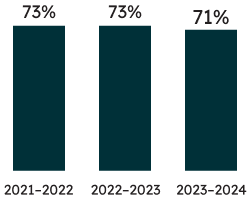
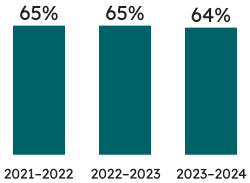
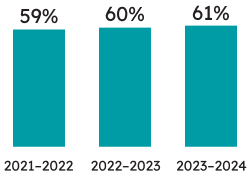
According to the data from 2023–2024, Grade 3 student achievement results, which are given in relation to the provincial standard (Levels 3 and 4), have decreased in reading and writing relative to those from 2022–2023, and have increased in mathematics.
The three-year trend shows a decrease in the percentage of students meeting the provincial standard in reading and writing, and an increase in mathematics.
Percentage of Grade 3 students who met the provincial standard
Reading
Writing
Mathematics
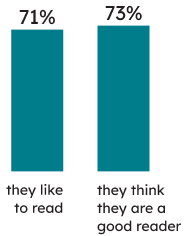
Learners’ Context
Percentage of Grade 3 students who indicated that
Reading
Writing
Mathematics
Junior Division (Grade 6)
According to the data from 2023–2024, Grade 6 student achievement results, which are given in relation to the provincial standard (Levels 3 and 4), have decreased in reading and writing relative to those in 2022–2023, and have remained the same in mathematics.
The three-year trend shows a decrease in the percentage of students meeting the provincial standard in reading and writing, and an increase in mathematics.
Percentage of Grade 6 students who met the provincial standard
Reading
Writing
Mathematics
Learners’ Context
Percentage of Grade 6 students who indicated that
Reading
Writing
Mathematics
Grade 9 Assessment of Mathematics
The Grade 9 Assessment of Mathematics is a multi-stage computer adaptive assessment that measures the mathematics knowledge and skills students are expected to have learned by the end of the Grade 9 mathematics course according to The Ontario Curriculum.
According to the data from the 2023–2024 EQAO assessments, Grade 9 student achievement results, which are given in relation to the provincial standard (Levels 3 and 4), have remained stable relative to those in 2022–2023.
The three-year trend shows that the percentage of students meeting the provincial standard has increased.
Percentage of Grade 9 students who met the provincial standard in mathematics
Learners’ Context
Percentage of Grade 9 students who indicated that
Ontario Secondary School Literacy Test (OSSLT)
The OSSLT is a linear test design computer assessment that measures whether students are meeting the minimum standard for literacy across all subjects up to the end of Grade 9 according to The Ontario Curriculum. First-time eligible students typically take the assessment in Grade 10.
According to the data from 2023–2024, overall success rates on the OSSLT are high, showing stability in students’ acquisition of the literacy knowledge and skills stated in The Ontario Curriculum.
The three-year trend shows that success rates have increased.
It is encouraging to note that the achievement gap between the success rates of students taking the applied course and those taking the academic course has been steadily narrowing over the past three years, although the achievement gap between academic and applied students remains an area of concern.
Percentage of students who wrote the OSSLT and were successful
First-time eligible students
Previously eligible students
Learners’ Context
Percentage of OSSLT students who indicated that
Reading
Writing
1There was a considerable difference between the size and composition of the 2021‒2022 previously eligible cohort and the size and composition of this cohort in both 2022–2023 and this school year due to the pandemic-related disruption to the tests in 2019‒2020 and 2020‒2021.
Students in French-Language Schools
Tests en lecture, écriture et mathématiques, cycles primaire et moyen2
The Test en lecture, écriture et mathématiques, cycle primaire (Grade 3) and cycle moyen (Grade 6), are computer-based assessments that measure the reading, writing and mathematics knowledge and skills students are expected to have learned by the end of Grades 3 and 6 according to The Ontario Curriculum.
Cycle primaire (Grade 3)
According to the data from 2023–2024, Grade 3 student achievement results, which are given in relation to the provincial standard (Levels 3 and 4), have increased in reading and mathematics and decreased in writing relative to those from 2022–2023.
The three-year trend shows an increase in the percentage of students meeting the provincial standard in reading and in mathematics, and stability in writing.
Percentage of Grade 3 students who met the provincial standard:
Reading
Writing
Mathematics
Learners’ Context
Percentage of Grade 3 students who indicated that
Reading
Writing
Mathematics
2 The name of each assessment remains in French, since the French and English assessments are distinct in their content and the curricula they cover.
Cycle moyen (Grade 6)
According to the data from 2023–2024, Grade 6 student achievement results, which are given in relation to the provincial standard (Levels 3 and 4), are the same in reading relative to those in 2022–2023, have decreased in writing and have increased in mathematics.
The three-year trend shows an exceptionally high percentage of students meeting the provincial standard in reading, a decrease in writing and an increase in mathematics.
Percentage of Grade 6 students who met the provincial standard
Reading
Writing
Mathematics
Learners’ Context
Percentage of Grade 6 students who indicated that
Reading
Writing
Mathematics
Test de mathématiques, 9e année
The Test de mathématiques, 9e année is a multi-stage computer adaptive assessment that measures the mathematics knowledge and skills students are expected to have learned by the end of the Grade 9 mathematics course according to The Ontario Curriculum.
According to the data from the 2023–2024 EQAO assessments, Grade 9 student achievement results, which are given in relation to the provincial standard (Levels 3 and 4), have increased relative to those from 2022–2023.
The three-year trend shows an increase in the percentage of students meeting the provincial standard.
Percentage of Grade 9 students who met the provincial standard in mathematics
Learners’ Context
Percentage of Grade 9 students who indicated that
Test provincial de compétences linguistiques (TPCL)
The TPCL is a linear test design computer assessment that measures whether students are meeting the minimum standard for literacy across all subjects according to The Ontario Curriculum. First-time eligible students typically take the assessment in Grade 10.
According to the data from 2023–2024, overall success rates on the TPCL are high, showing stability in students’ acquisition of the literacy knowledge and skills in The Ontario Curriculum.
The three-year trend shows that success rates have increased.
It is encouraging to note that the achievement gap between the success rates of students taking the applied course and those taking the academic course has been steadily narrowing over the past three years, although the achievement gap remains an area of concern.
Percentage of students who wrote the TPCL and were successful
First-time eligible students
Previously eligible students
Learners’ Context
Percentage of TPCL students who indicated that
Reading
Writing
3There was a considerable difference between the size and composition of the 2021‒2022 previously eligible cohort and the size and composition of this cohort in both 2022–2023 and this school year due to the pandemic-related disruption to the tests in 2019‒2020 and 2020‒2021.
QUOTES
“EQAO contributes to the accountability of our public education system through assessments that are administered in elementary and secondary schools across the province. EQAO’s modernized assessments serve the education community and other partners by producing evidence-based data that inform Ontarians on how students are doing in their learning year after year. Access to EQAO assessment data and appropriate use of this information is an important element of our collective support of students as they progress on their learning journey.”
Sanjay Dhebar
Chair, EQAO
“Each year, EQAO assessment and questionnaire results contribute insights into student learning throughout Ontario. Having completed the third administration of its provincial online assessments, EQAO is able to release achievement and contextual data that showcase trends over three years. The data at both the elementary- and the secondary-school levels show that mathematics achievement has been stable or growing since last year; this trend appears over three years as well. Reading achievement at the elementary-school level is high and shows an encouraging stability over time, while writing achievement deserves more attention. Closing learning gaps remains the ultimate goal of everyone invested in education. EQAO data and outreach help develop and strengthen initiatives that support students locally and system-wide, as assessment information enhances our understanding of students’ needs and strengths. The additional support that year-to-year data provide to parents and guardians, educators and policy-makers can lead to the development of effective plans of action that will assist every child and youth on their education journey and prepare for successful outcomes for all.”
The public release of EQAO’s 2022–2023 assessment results at the provincial and local levels marks the second year of the agency’s reporting on the results of its digitalized and modernized provincial assessments.
EQAO is reporting assessment data on its website through an individual school and school board search function and through the EQAO data reporting tool, a platform that leverages interactive and user-friendly dashboards that educators, parents and guardians and the public can access to view assessment and questionnaire data at the provincial and local levels.
EQAO’s evidence-based data can be analyzed by educators across the province as they review and develop strategies to support each student’s learning journey. By making contextual, attitudinal and achievement data for each school and school board available, the agency meets its mandate of contributing to the accountability of Ontario’s education system, and contributes to the ongoing conversation about student learning and achievement.
More than 580 000 students across the province completed EQAO assessments at the elementary and secondary levels of the English- and French-language school systems during the 2022–2023 school year.
QUOTES
“EQAO assessments in Ontario’s elementary and secondary schools in both the French- and English-language school systems help to foster accountability and support improvement in the province’s publicly funded education system by providing reliable and objective data on student learning. The agency’s data, along with other sources of information, are useful to educators and policy-makers as they seek and develop solutions to help all learners succeed.”
Cameron Montgomery
Chair – EQAO
“EQAO data on students’ achievement and learning contexts provide powerful insights that can help close learning gaps across the province. Focused information about student achievement and attitudes at school and board levels can support professional collaborative analysis and positive change for each student in the short and long terms, enhancing the skills of each learner as they progress on their education journey.”
The Education Quality and Accountability Office (EQAO) has released provincial data from its 2022–2023 assessments, which marks the second year of the agency’s reporting on the student achievement results of its digitalized and modernized provincial assessments.
More than 580 000 students across the province completed EQAO assessments at the elementary and secondary levels of the English- and French-language school systems during the 2022–2023 school year. EQAO is reporting on achievement results as well as data from student questionnaires. This provides contextual and attitudinal information about student learning to build a fuller picture of learners’ contexts and the factors that influence achievement.
EQAO data provide an independent snapshot that shows whether students are meeting curriculum expectations in reading, writing and mathematics at key stages of their education.
Assessment data and observations
Because of the substantial changes to the assessments in the 2021–2022 school year (the shift from paper-based to digital; the introduction of a new mathematics curriculum, which required redesigned mathematics assessment components), and in the context of establishing up-to-date baselines for EQAO’s digital assessments, new trendlines were set and first used in 2021–2022.
Assessment results from last year are provided along with those from the 2022–2023 school year to show trends in achievement and attitudes over the last two years. Such analyses of results contribute to a better understanding of student learning over time.
Students in English-language schools: assessments of reading, writing and mathematics, primary and junior divisions
The Assessments of Reading, Writing and Mathematics, Primary Division (Grade 3) and Junior Division (Grade 6) are computer-based assessments that measure the reading, writing and mathematics skills students are expected to have learned by the end of Grades 3 and 6 according to The Ontario Curriculum.
Primary division (Grade 3)
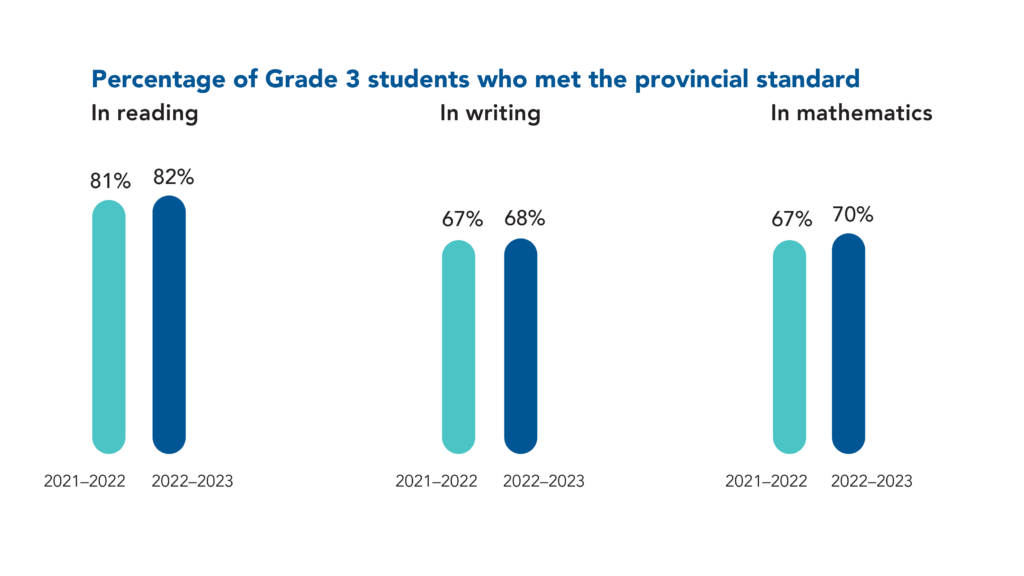
According to the data from 2022–2023, Grade 3 student achievement results, which are given in relation to the provincial standard (Levels 3 and 4), have remained stable in literacy relative to those in 2021–2022, and have increased slightly in mathematics.
Assessment results for all participating students:
Learners’ context:
Junior division (Grade 6)
According to the data from 2022–2023, Grade 6 student achievement results, which are given in relation to the provincial standard (Levels 3 and 4), have remained stable in literacy relative to those in 2021–2022, and have increased in mathematics.
Assessment results for all participating students:
Learners’ context:
Grade 9 assessment of mathematics
The Grade 9 Assessment of Mathematics is a computer adaptive assessment that measures the mathematics skills students are expected to have learned by the end of the Grade 9 mathematics course according to The Ontario Curriculum. With the implementation of a universal de-streamed mathematics curriculum in 2021, all Grade 9 students now write the same EQAO assessment.
According to the data from the 2022–2023 EQAO assessments, Grade 9 student achievement results, which are given in relation to the provincial standard (Levels 3 and 4), have increased in mathematics from those of 2021–2022.
Assessment results for all participating students:
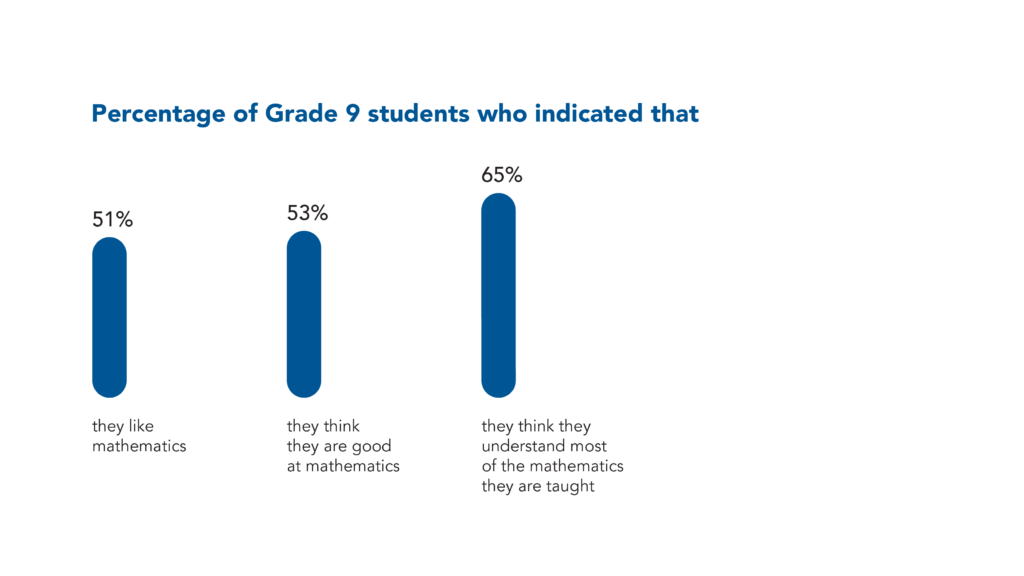
Learners’ context:
Ontario secondary school literacy test (OSSLT)
The OSSLT is a computer-based assessment that measures whether students are meeting the minimum standard for literacy across all subjects according to The Ontario Curriculum. First-time eligible students typically take the assessment in Grade 10.
According to the data from 2022–2023, overall success rates on the OSSLT are high, showing stability in the basic literacy skills acquired by Ontario students.
The gap in achievement between students enrolled in academic and those enrolled in applied courses continues to be an area that requires attention.
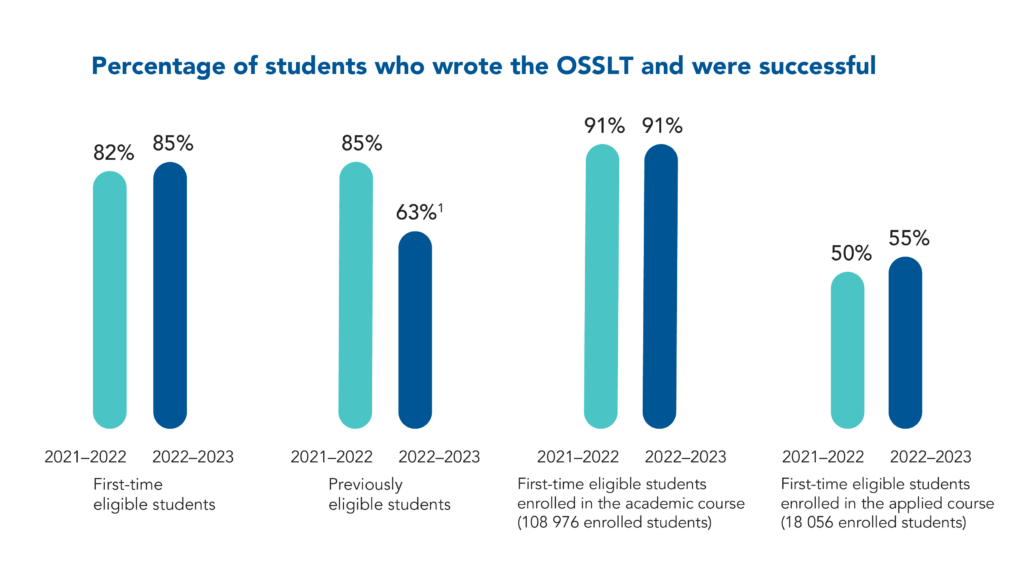
Assessment results for all participating students:
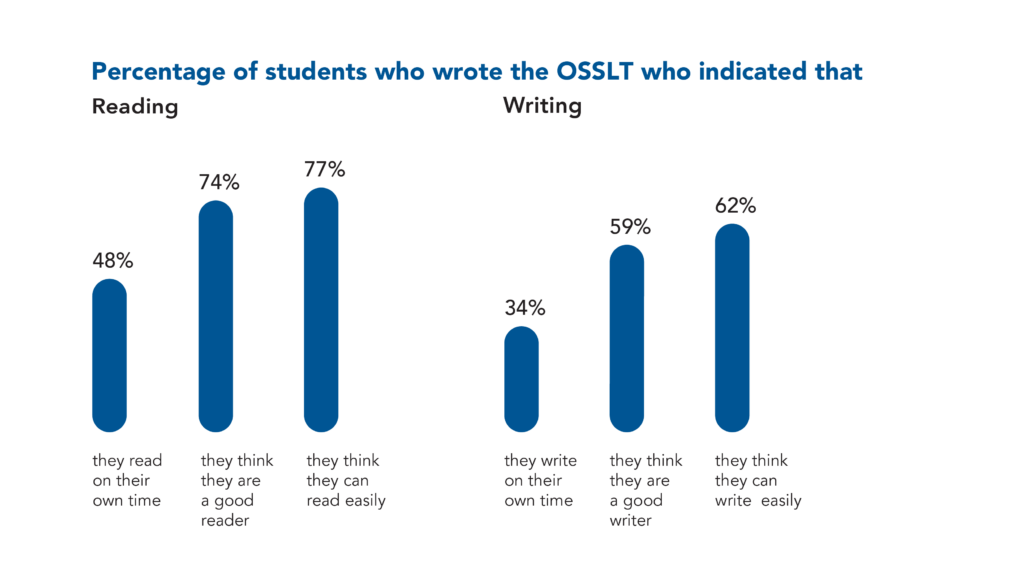
Learners’ context:
1 There is a considerable difference between the size and composition of the 2021–2022 previously eligible cohort and the size and composition of the cohort of this past school year. In 2021–2022, a greater number of Grade 11 and non-graduating Grade 12 students who were previously eligible to take the OSSLT were not able to, due to the pandemic-related pause in assessments in 2019–2020 and 2020–2021. Compared with the 2018–2019 cohort, which is a better comparison, the 2022–2023 results represent an increase (from 50% to 63%). Additionally, some students benefitted from the opportunity to attempt the test a second time in the spring if they were not yet successful in the fall.
Students in French-language schools: tests en lecture, écriture et mathématiques, cycles primaire et moyen2
The Test en lecture, écriture et mathématiques, cycle primaire (Grade 3) and cycle moyen (Grade 6), are computer-based assessments that measure the reading, writing and mathematics skills students are expected to have learned by the end of Grades 3 and 6 according to The Ontario Curriculum.
Cycle primaire (Grade 3)
According to the data from 2022–2023, Grade 3 student achievement results, which are given in relation to the provincial standard (Levels 3 and 4), have increased in mathematics and increased slightly in literacy relative to those from 2021–2022.
Assessment results for all participating students:
Learners’ context:
2 The name of each assessment remains in French, since the French and English assessments are distinct in their content and the curricula they cover.
Cycle moyen (Grade 6)
According to the data from 2022–2023, Grade 6 student achievement results, which are given in relation to the provincial standard (Levels 3 and 4), have remained stable in literacy, relative to those in 2021–2022, and have increased in mathematics.
Assessment results for all participating students:
Learners’ context:
Test de mathématiques,9e année
The Test de mathématiques, 9e année is a computer adaptive assessment that measures the mathematics skills students are expected to have learned by the end of the Grade 9 mathematics course according to The Ontario Curriculum. With the implementation of a universal de-streamed mathematics curriculum in 2021, all Grade 9 students now write the same EQAO assessment.
According to the data from 2022–2023, Grade 9 student achievement results, which are given in relation to the provincial standard (Levels 3 and 4), have increased in mathematics relative to those from 2021–2022.
Assessment results for all participating students:
Learners’ context:
Copilot said:
Test provincial de compétences linguistiques (TPCL)
The TPCL is a computer-based assessment that measures whether students are meeting the minimum standard for literacy across all subjects according to The Ontario Curriculum. First-time eligible students typically take the assessment in Grade 10.
According to the data from 2022–2023, overall success rates on the TPCL are high, showing stability in the literacy skills acquired by Ontario students.
The gap in achievement between students enrolled in academic and those enrolled in applied courses continues to be an area that requires attention.
Assessment results for all participating students:
Learners’ context:
3 There is a considerable difference between the size and composition of the 2021–2022 previously eligible cohort and the size and composition of the cohort of this past school year. In 2021–2022, a greater number of Grade 11 and non-graduating Grade 12 students who were previously eligible to take the TPCL were not able to, due to the paused assessments in 2019–2020 and 2020– 2021. Compared with the 2018–2019 cohort, which is a better comparison, the 2022–2023 results represent an increase (from 52% to 76%). Additionally, some students benefitted from the opportunity to attempt the test a second time in the spring if they were not yet successful in the fall.
Quotes
“EQAO is invested in supporting the growth of each student in Ontario and in helping ensure our publicly funded education system is accountable to Ontarians. Administered in elementary and secondary schools across the province, our large-scale assessments provide reliable data and evidence-informed insights into student learning and perceptions to facilitate student success. It is crucial that every Ontarian be able to access this data to support educational equity and inform initiatives leading to positive changes in the outcomes of the next generation.”
Cameron Montgomery
Chair – EQAO
“After two years of our new digital assessment program following the pandemic-related disruptions to the school system, it is encouraging to see progress in mathematics achievement while reading and writing achievement remains stable across the province. Data from EQAO’s modernized assessments provide important information about how students are doing at a specific time. It offers achievement results in addition to valuable insights on students’ own experiences as learners and can be best understood when examined over time to identify trends, thereby building a fuller picture of student learning. In conjunction with other credible information available, EQAO data is useful to the education community and other partners as we continue to support positive student outcomes across the province.”
Following the release of the Education Quality and Accountability Office (EQAO)’s provincial data of its assessments administered during the 2021–2022 school year, EQAO is making the school- and board-level results available today. This information provides additional insights into students’ attitudes and perceptions around learning during the pandemic, and whether students are meeting curriculum expectations in reading, writing and mathematics at key stages of their education. These evidence-based data can be analyzed by educators across the province as they review and develop strategies to support each student on their learning journey.
EQAO data show that Ontario’s student outcomes are similar to those of other jurisdictions, where the pandemic has had a more significant impact on mathematics than on literacy achievement.
Assessment, contextual and attitudinal data for each school and school board are made available, as one element of EQAO’s mandate is to contribute to the accountability of Ontario’s education system.
More than 600,000 students across the province completed EQAO assessments at the elementary and secondary levels during the 2021–2022 school year in the English- and French-language school systems. For the first time, EQAO is reporting on the achievement results of its new digitalized assessments at the school- and school board-level. EQAO’s large-scale modernized assessments introduced a new online model of assessment delivery that differs from that of the prior paper-based assessments
This year, in addition to the individual school and school board search function, EQAO introduces a new platform, available through EQAO’s website, that leverages interactive and user-friendly dashboards for educators, parents and guardians and the public to access assessment and questionnaire data at the provincial and local levels. This EQAO data reporting tool contributes to the ongoing conversation on student learning and achievement.
Quotes
“EQAO’s large-scale assessments administered in the French and English school systems across the province help to foster accountability in Ontario’s publicly funded education system by providing an independent source of evidence-based data. School and school board data are useful to trustees responsible for ensuring the quality of the education in their respective school districts. Ontarians deserve to know how public investments are supporting student learning in every part of the province.”
Cameron Montgomery
Chair – EQAO
“EQAO data from assessments and questionnaires at the local level are used by educators to further identify gaps in learning in their schools and boards, and also to understand how their students approach and view their own learning. This year, we are pleased to introduce a new interactive reporting tool that will facilitate access to EQAO assessment data further, and assist with the analysis of this important information for our stakeholders and the public alike. EQAO aims to always offer reliable information that contributes to promoting positive student outcomes, as all of us are committed to student success in an ever-changing world.”
The Education Quality and Accountability Office (EQAO) has released provincial data from its 2021–2022 assessments, which marks a return to the agency’s large-scale provincial assessment administration after a pause for the prior two years.
EQAO’s assessment results provide important data for Ontarians on student learning through the COVID-19 pandemic.
More than 600 000 students across the province completed EQAO assessments at the elementary and secondary levels during the 2021–2022 school year in the English- and French-language school systems. Students learning in person (and students learning remotely who wrote in person) participated in the assessments this past year, according to government direction.
EQAO data show that Ontario’s student outcomes are similar to those of other jurisdictions, where the pandemic has had a more significant impact on mathematics than on literacy achievement.
For the first time, EQAO is reporting on the achievement results of its new digitalized and modernized assessments, which introduced a new online model of assessment delivery that differs from that of the prior paper-based assessments.
EQAO is also releasing data from student questionnaires to provide contextual and attitudinal information about student learning to build a fuller picture of learners’ context and the factors that influence achievement.
EQAO data provide an independent snapshot that shows whether students are meeting curriculum expectations in reading, writing and mathematics at key stages of their education.
Assessment data and observations
Due to the substantial changes to EQAO assessments (i.e., mode of delivery, assessment model), as well as the introduction of new mathematics curricula, 2018–2019 results are provided only as reference points (where applicable in relation to the provincial standard) to shine a light on how students are doing after two years of a pandemic.
Assessments of reading, writing and mathematics, primary and junior divisions
The Assessments of Reading, Writing and Mathematics, Primary Division (Grade 3) and Junior Division (Grade 6), are now computer-based assessments that measure the reading, writing and mathematics skills students are expected to have learned by the end of Grades 3 and 6 according to The Ontario Curriculum. In 2020-2021, a new universal elementary mathematics curriculum, against which the assessment is anchored, was introduced.
Primary division (Grade 3)
According to the data from the 2021–2022 EQAO assessments, Grade 3 student achievement results, which are given in relation to the provincial standard, have declined in literacy but have remained stable in mathematics, relative to those from 2018–2019.
Assessment results for all participating students:
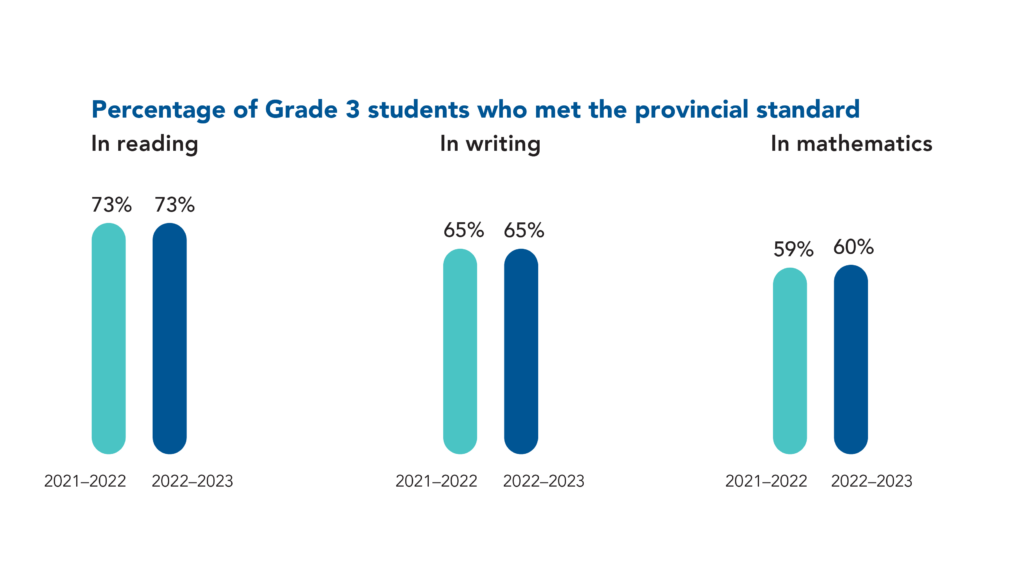
73% of Grade 3 students met the provincial standard in reading (77% met the standard in 2018–2019).
65% of Grade 3 students met the provincial standard in writing (72% met the standard in 2018–2019).
59% of Grade 3 students met the provincial standard in mathematics (60% met the standard in 2018–2019).
Learners’ context:
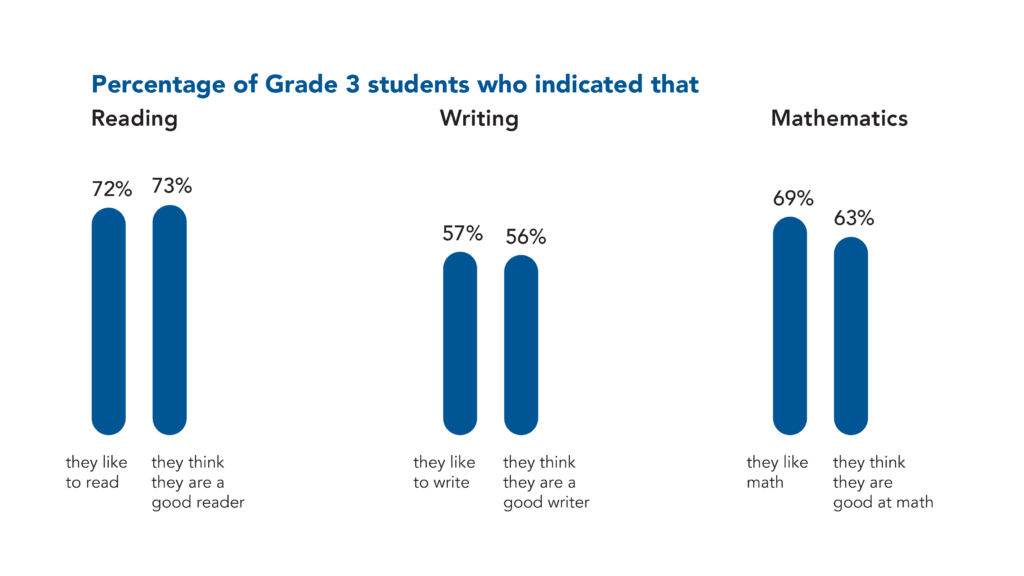
74% of Grade 3 students indicated that they like to read, and 58% that they like to write.
72% of Grade 3 students indicated that they think they are a good reader, and 56% that they think they are a good writer.
69% of Grade 3 students indicated that they like math, and 61% that they think they are good at math.
Junior division (Grade 6)
According to the data from the 2021–2022 EQAO assessments, Grade 6 student achievement results, which are given in relation to the provincial standard, have remained stable in reading and writing but have declined in mathematics, relative to those from 2018–2019.
Assessment results for all participating students:
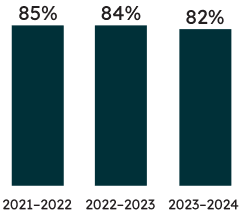
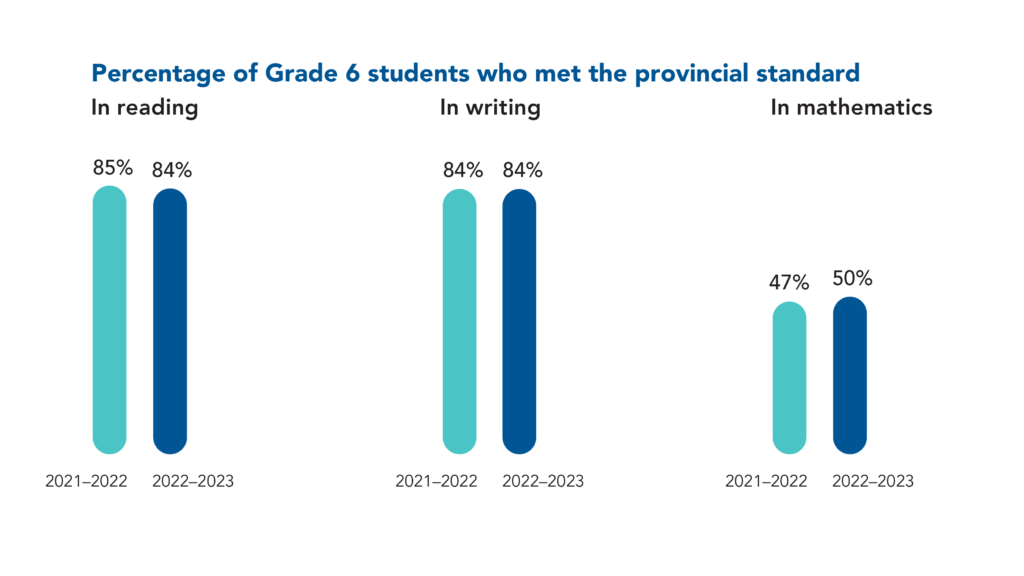
85% of Grade 6 students met the provincial standard in reading (83% met the standard in 2018–2019).
84% of Grade 6 students met the provincial standard in writing (the same percentage of students met the standard in 2018–2019).
47% of Grade 6 students met the provincial standard in mathematics (50% met the standard in 2018–2019).
Learners’ context:
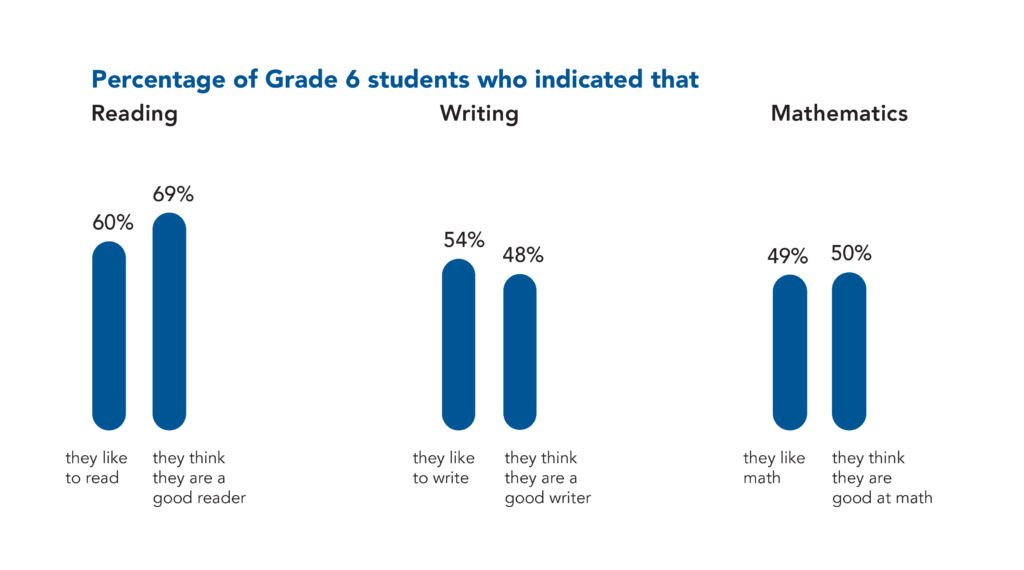
62% of Grade 6 students indicated that they like to read, and 54% that they like to write.
68% of Grade 6 students indicated that they think they are a good reader, and 48% that they think they are a good writer.
51% of Grade 6 students indicated that they like math, and 48% that they think they are good at math.
Grade 9 assessment of mathematics
The Grade 9 Assessment of Mathematics is a computer adaptive assessment that measures the mathematics skills students are expected to have learned by the end of the Grade 9 mathematics course according to The Ontario Curriculum. This year, a new universal and de-streamed secondary mathematics curriculum, against which the assessment is anchored, was introduced.
According to the data from the 2021–2022 EQAO assessments, Grade 9 student achievement results, which are given in relation to the provincial standard, have declined in mathematics since 2018–2019.
The number of participating students in the 2021–2022 Grade 9 cohort is smaller than in previous years due to unforeseen circumstances related to the COVID-19 pandemic, which prevented some students from participating.
Assessment results for all participating students:
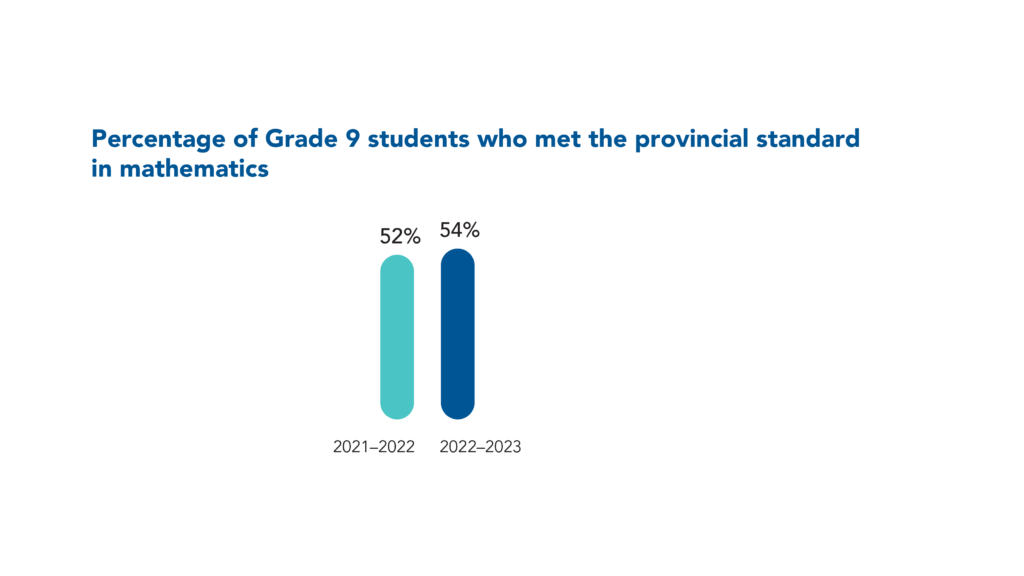
52% of Grade 9 students met the provincial standard in mathematics (75% met the standard in 2018–2019, when academic and applied results for that year are combined).
Learners’ context:
53% of Grade 9 students indicated that they like math, and 55% that they think they are good at math.
68% of Grade 9 students indicated that they think they understand most of the math they are taught.
Ontario secondary school literacy test (OSSLT)
The OSSLT is a computer assessment that measures whether students are meeting the minimum standard for literacy across all subjects up to the end of Grade 9 according to The Ontario Curriculum.
According to the data from the 2021–2022 EQAO assessments, overall success rates on the OSSLT are high, showing stability in the literacy skills acquired by Ontario students up to the end of Grade 9.
There is a considerable difference between the size and composition of the 2021–2022 previously eligible cohort and those of the cohorts of past school years. A greater number of Grade 11 and non-graduating Grade 12 students who were previously eligible to take the OSSLT were not able to, due to the paused assessments in 2019–2020 and 2020–2021. The previously eligible cohort in 2021–2022 includes Grade 11 students who did not have a prior opportunity to write the test during the pandemic. These students had an additional year of learning, and their success rates are higher than those for first-time eligible (Grade 10) students.
Students enrolled in academic courses showed stable literacy achievement relative to 2018–2019, while those enrolled in applied courses showed improvement in literacy achievement.
Assessment results for all participating students:
82% of first-time eligible students who wrote the OSSLT were successful (80% were successful in 2018–2019).
85% of previously eligible students who wrote the OSSLT were successful (50% were successful in 2018–2019).
91% of first-time eligible students enrolled in the academic course were successful (the same percentage of students were successful in 2018–2019).
50% of first-time eligible students enrolled in the applied course were successful (41% were successful in 2018–2019).
Learners’ context:
53% of students indicated that they like reading on their own time, and 38% that they like writing on their own time.
79% of students indicated that they think they are a good reader, and 63% that they think they are a good writer.
81% of students indicated that they think they can read fluently, and 70% that they think they can write fluently.
Quotes
“EQAO assessments administered in elementary and secondary schools across the province help to foster accountability in Ontario’s publicly funded education system by providing objective, reliable data that shed light on student learning. EQAO is committed to supporting evidence-informed decision making by continuing to provide insights that help education stakeholders promote student success.”
Cameron Montgomery
Chair – EQAO
“Data from EQAO’s large-scale digitalized assessments on students’ achievement, along with input from students and educators concerning learning context, offer important information that can lead to positive change for each child. This year’s release of results provides a snapshot of how students are doing after two years of pandemic-related disruptions in schools. We trust that collaborative analysis of EQAO’s data will contribute to ensuring every student is accounted for as educators and partners discuss and implement strategies to improve student outcomes.”